August 27, 2026
In the world of commercial construction, asphalt paving plays an important role in creating parking lots, access roads, loading areas, and other durable surfaces. The decision to use asphalt is often influenced by its cost-effectiveness, relatively efficient installation, and ability to withstand regular vehicle traffic when properly designed. However, developing an accurate budget requires understanding the many variables that can affect the final price. Materials, labor, site preparation, project size, equipment, regulations, and long-term maintenance can all influence expenses. Evaluating these factors before beginning a commercial asphalt paving project can help property owners, developers, and contractors establish realistic expectations and reduce the likelihood of unexpected costs.
1. Evaluating Asphalt Material Costs
Material selection is one of the most significant factors affecting the cost of a paving project. Asphalt mixtures vary according to their intended application, expected traffic levels, environmental conditions, and performance requirements. Hot mix asphalt is commonly used for permanent paved surfaces because it provides strength and durability under regular traffic. Other mixtures may be appropriate for repairs or specialized applications. Choosing a mixture that matches the site's needs helps prevent unnecessary spending while supporting reliable performance.
The quality and source of aggregates, binders, and additives also affect pricing. Higher-quality materials may cost more initially but can provide improved resistance to traffic, moisture, and temperature changes. Oil prices and other market conditions can influence asphalt production expenses as well, causing material prices to fluctuate. Contractors planning commercial asphalt paving should therefore consider current market conditions when developing estimates and purchasing materials.
Transportation is another important consideration. Proximity to an asphalt plant can reduce hauling expenses while helping the material arrive at the appropriate temperature. According to HomeGuide, new asphalt generally needs to be transported at temperatures between 250°F and 350°F so it can be paved promptly after arriving. Long transportation distances can increase fuel and labor expenses while creating additional logistical challenges. For larger projects, bulk material purchasing may provide opportunities to lower per-unit costs, provided quantities are estimated carefully to minimize waste.
2. Accounting for Labor and Crew Requirements
Labor costs depend on crew size, worker experience, regional wage rates, scheduling requirements, and project complexity. Experienced paving crews may have higher hourly rates, but their knowledge can contribute to efficient installation, accurate grading, proper compaction, and fewer mistakes. These advantages can be particularly valuable on large properties where correcting improperly installed pavement could require substantial additional work.
Geographic location also influences labor expenses because wage standards differ among regions. Local regulations, prevailing wage requirements, employee benefits, and union agreements may further affect project costs. Scheduling can add another layer of expense. Projects that must be completed overnight, on weekends, or within a narrow window may require overtime or additional shifts. Careful scheduling allows contractors to coordinate labor efficiently while minimizing unnecessary premium hours.
Project complexity matters as well. Commercial asphalt paving involving unusual layouts, multiple elevations, restricted work zones, or continuous access requirements may require additional workers or specialized expertise. Businesses that need to remain operational during construction may also require paving to occur in phases, potentially increasing mobilization and labor expenses.
3. Preparing the Site and Correcting Existing Conditions
Site preparation can represent a substantial portion of the overall paving budget. Before asphalt is installed, contractors need to establish a stable, properly graded foundation. Uneven terrain, steep slopes, deteriorated pavement, unstable soil, or drainage problems can increase the amount of preparation required. Grading may involve excavation, filling, compaction, or reshaping the surface to establish appropriate elevations and promote effective water movement.
Soil conditions are especially important because weak or unstable subgrades can contribute to cracking, rutting, settlement, and premature pavement failure. Sites containing soft, expansive, or moisture-sensitive soils may require stabilization or additional aggregate base materials. Identifying these conditions early allows the project team to incorporate necessary corrective work into the budget rather than encountering expensive surprises after construction begins.
Existing pavement, vegetation, curbs, or other structures may also need to be removed. Demolition and clearing expenses include equipment operation, labor, hauling, and disposal fees. Recycling suitable asphalt or aggregate may help reduce waste and potentially offset some material requirements. Thorough site evaluation before commercial asphalt paving begins helps determine whether existing materials can remain, require rehabilitation, or need complete removal.
4. Managing Drainage, Accessibility, and Environmental Conditions
Proper drainage is essential to the performance of an asphalt surface. Standing water can penetrate cracks, weaken supporting materials, and accelerate pavement deterioration. Sites with inadequate drainage may require catch basins, curbs, storm drains, swales, or grading modifications. These improvements increase initial costs but can help protect the pavement and surrounding property from water-related problems.
Accessibility also affects construction expenses. Equipment such as pavers, rollers, dump trucks, and grading machinery needs adequate room to enter and maneuver around the work area. Tight urban properties, enclosed facilities, narrow access roads, or active commercial sites can make material delivery and equipment movement more difficult. Additional traffic control, smaller machinery, or phased construction may be necessary under these circumstances.
Environmental requirements can add further considerations. Depending on the property and jurisdiction, contractors may need to manage erosion, stormwater runoff, dust, contaminated soil, or nearby environmentally sensitive areas. Identifying these requirements during planning gives project managers more time to account for compliance measures and avoid delays.
5. Calculating Project Size and Design Complexity
Total square footage is a major factor in determining the amount of asphalt, aggregate, labor, and equipment required. Larger projects naturally require greater overall investment, although they may achieve lower per-square-foot costs because equipment mobilization and certain fixed expenses are spread across a greater area. Smaller projects can sometimes have higher unit costs because many of the same setup requirements still apply.
Design complexity also affects the budget. A simple rectangular parking area may be relatively straightforward to pave, while properties with islands, loading zones, curved drive lanes, numerous utility structures, or multiple drainage elevations require additional planning and precision. Pavement thickness is another important consideration. Areas exposed to frequent delivery trucks or heavy equipment may require stronger bases and thicker asphalt sections than spaces intended primarily for passenger vehicles.
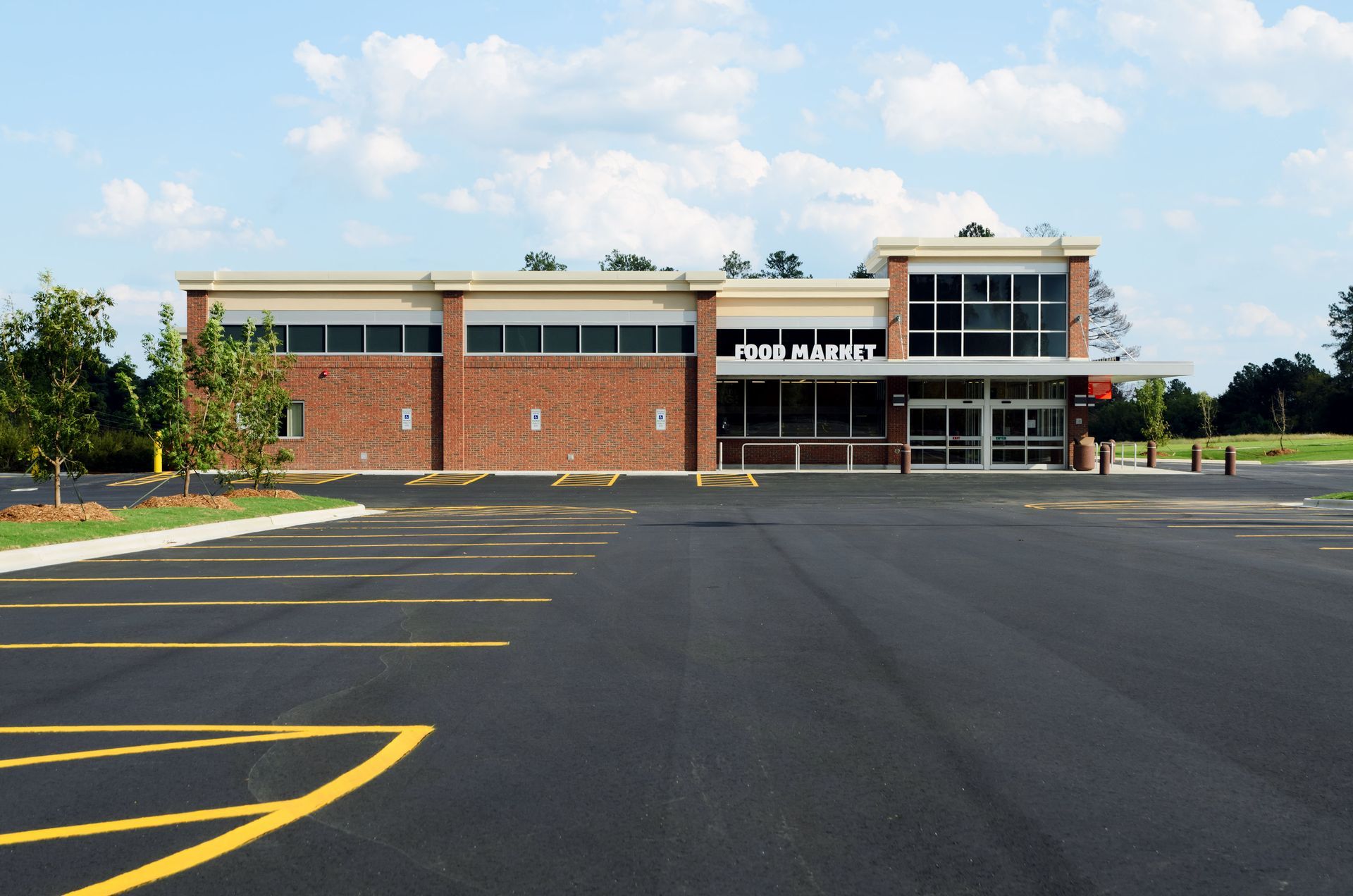
The scope of commercial asphalt paving may also include related improvements such as curbing, pavement markings, wheel stops, accessibility features, signage, or landscaping adjustments. Although these elements are not always part of the asphalt installation itself, they should be incorporated into the overall project budget when necessary.
6. Considering Equipment, Scheduling, and Project Duration
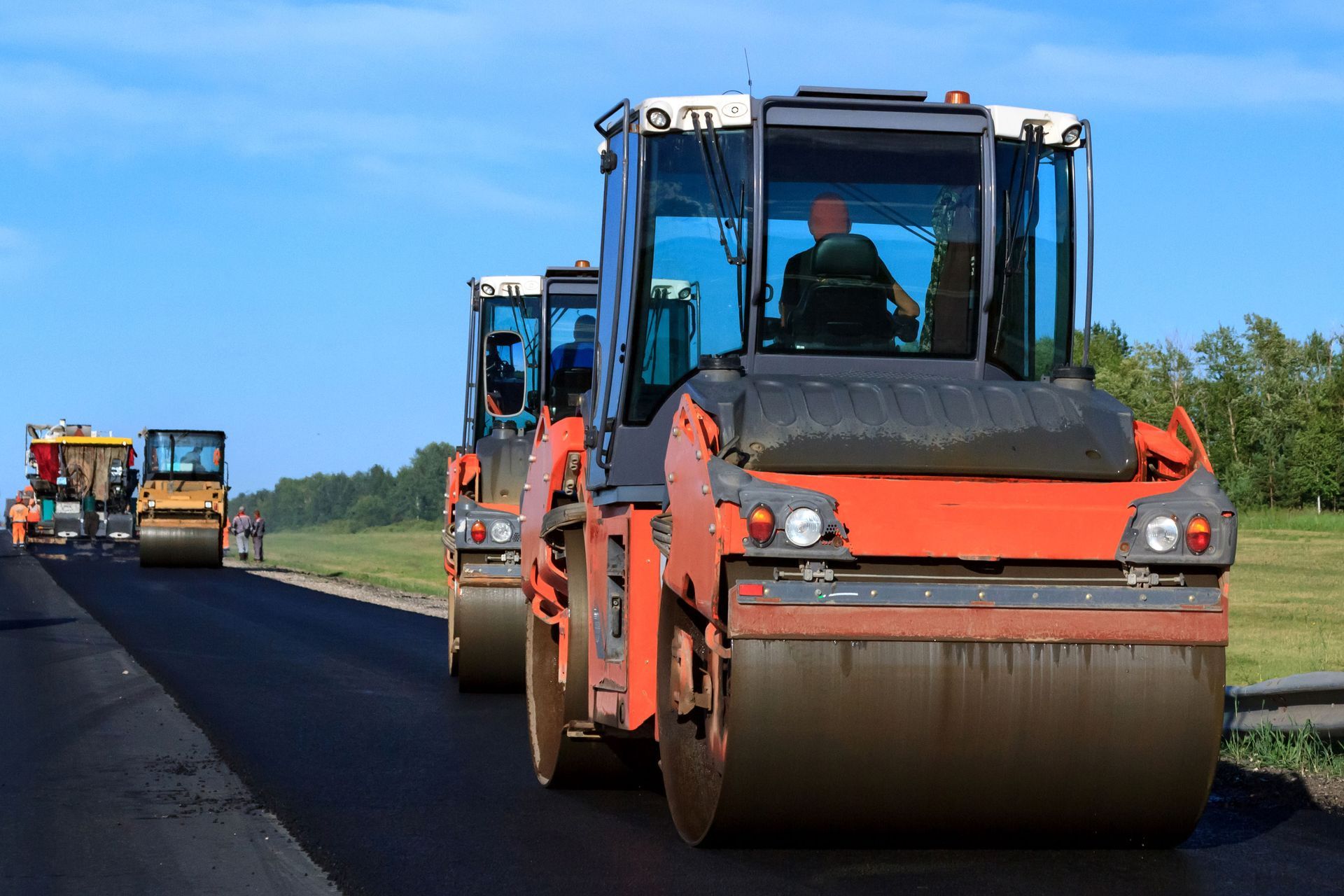
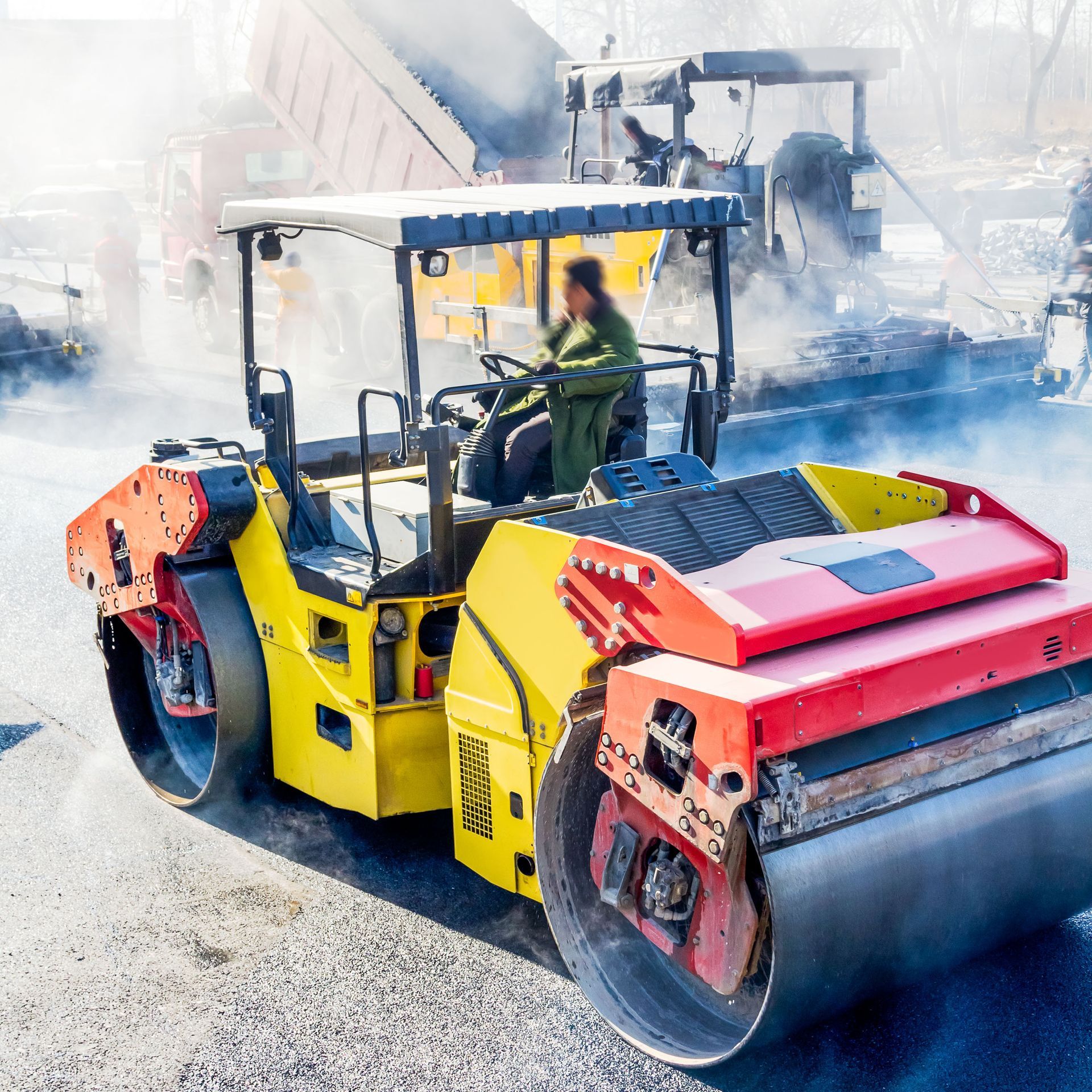
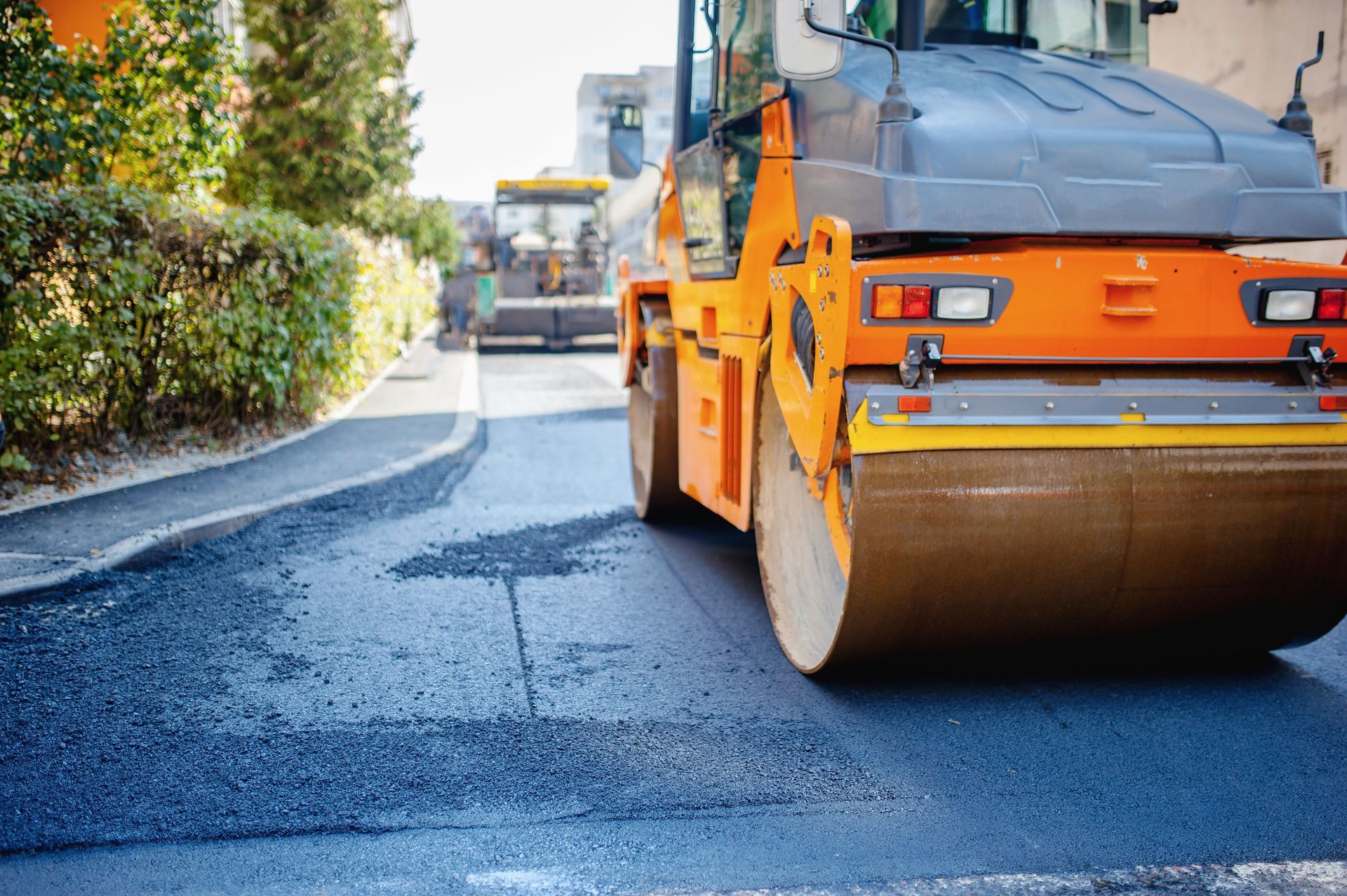
Equipment needs vary according to project scale and site conditions. Pavers, rollers, graders, milling machines, loaders, sweepers, and hauling vehicles may all be required at different stages. Specialized equipment can increase rental, transportation, fuel, and operating expenses. At the same time, using appropriate machinery can improve productivity, compaction, surface consistency, and overall construction quality.
Project duration directly affects several cost categories. Longer schedules can increase labor, equipment rental, traffic management, and administrative expenses. Weather conditions can also influence the timeline because rain, extreme temperatures, or unsuitable ground conditions may interrupt preparation and installation. Building reasonable flexibility into the schedule can help prevent rushed work when unexpected delays occur.
Businesses may also need to consider how construction affects daily operations. Keeping entrances, loading docks, parking spaces, or emergency routes accessible can require phased work. Although phasing may extend the schedule, it can reduce operational disruption and allow customers, employees, or delivery vehicles to continue using portions of the property.
A comprehensive approach considers both immediate construction expenses and long-term pavement performance. Thorough site assessments, appropriate materials, realistic scheduling, proper drainage, and preventive maintenance can help reduce avoidable repairs and premature deterioration. By evaluating each cost factor before construction begins, property owners and project managers can allocate resources more effectively, establish realistic budgets, and create paved surfaces designed to support the property's operational needs for years to come. Contact our team at Tommy's Asphalt Company today and learn more about our commercial asphalt paving services.